
Air Jordan 4 Retro: Why Sneaker Collectors Remain Hooked
One of the most respected shapes in the sneaker world, the Air Jordan 4 Retro demands admiration from collectors and casual enthusiasts alike. Originally released in 1989, the AJ4 was engineered by the renowned Tinker Hatfield and turned into the first Jordan model to gain substantial global recognition. Over three decades later, the silhouette continues to lead secondary markets, with some colorways reaching amounts that break $2,000 on platforms like StockX and GOAT. The mix of classic styling cues, restricted supply, and strong cultural ties to Michael Jordan’s legend produces an unstoppable cycle of demand. In 2026, the Air Jordan 4 Retro stays a foundation of any serious sneaker lineup. Discovering why this particular model carries such lasting magnetism involves a deeper examination of its design foundations, cultural influence, and resale performance.
The Design That Defined an Era
Tinker Hatfield took influence from utilitarian and military styling when creating the Air Jordan 4, a divergence from the more streamlined profiles of its predecessors. The sneaker brought see-through Air units in the heel, mesh panels on the upper for ventilation, and iconic structural wing eyelets that emerged as the model’s trademark feature. These design choices were revolutionary in 1989, merging athletic basketball features with streetwear-friendly looks in a way no sneaker had previously achieved. The midsole employs a polyurethane compound that supplies superior shock absorption when measured against standard EVA foam, offering the sneaker legitimate playing performance alongside its stylish appearance. The rubber bottom sole with a herringbone traction pattern delivers multi-surface traction that proves impressive even by today’s measures. Every aspect of the Jordan 4’s engineering carries out a double function — function and fashion — which is exactly why the sneaker has stood the test of time so remarkably over 37 years.
The Colorways That Define the Market
Far from all Air Jordan 4 Retro releases command equivalent importance in the secondary market, and comprehending the hierarchy of colorways is vital for any devoted sneaker aficionado. The “Bred” version is universally recognized https://air-jordan.net/ as the definitive iteration, with unworn sets from OG drops commanding upwards of $1,500 on secondary market sites. The “White Cement” version, iconically laced up by Michael Jordan during the 1989 NBA All-Star Game slam dunk contest, continuously places among the top five most wanted Jordans of all time. Off-White partnerships with fashion visionary Virgil Abloh pushed the Jordan 4 into the luxury streetwear stratosphere, with the “Sail” edition attaining average secondary market prices above $2,200. Scarce area-specific drops from brands like Union LA have further grown the colorway ecosystem, forming micro-markets within the overall Jordan 4 market. Each colorway tells a separate chapter of the shoe’s story, and seasoned sneakerheads monitor drop schedules meticulously to grab shoes at retail price before premiums climb.
| Color Edition | Original Release | Average Resale Value (2026) | Collector Level |
|---|---|---|---|
| Bred (Black Cement) | 1989 | $450–$1,500 | Grail |
| White Cement | 1989 | $380–$1,200 | Grail |
| Off-White “Sail” | 2020 | $1,800–$2,500 | Ultra Grail |
| Military Blue | 1989 | $250–$400 | High |
| Fire Red | 1989 | $220–$380 | High |
| Union LA “Guava Ice” | 2020 | $800–$1,100 | Grail |
Cultural Impact Beyond Basketball
The cultural impact of the Air Jordan 4 goes far beyond the sports arena, becoming part of film, music, and the fashion world in ways that few athletic shoes have ever achieved. Spike Lee’s unforgettable character Mars Blackmon reinforced Jordan Brand’s connection to the hip-hop community, and the AJ4 appeared prominently in the 1989 motion picture “Do the Right Thing,” bestowing the model movie-screen legend status. Travis Scott’s continuing joint venture with Jordan Brand, which comprises numerous AJ4 launches, has exposed the model to an entirely new cohort of supporters who may never have watched Michael Jordan on the court. The shoe has been mentioned in hundreds of rap tracks, from Nas to Drake, confirming its place as a status symbol that rises above sports shoes. Designers in the fashion world have derived ideas from the AJ4’s thick midsole and functional design cues, affecting wider trends in luxury sneaker design at maisons like Balenciaga and Bottega Veneta. In the streetwear world, rocking a coveted pair of Jordan 4s conveys cultural fluency that no other footwear can rival.
Resale Economics and Investment Opportunity
Having developed into a multi-billion-dollar ecosystem, the sneaker resale market positions Air Jordan 4 Retros consistently among the most lucrative investments a collector can pursue. According to data from StockX, Jordan 4 drops have recorded a 65% premium over original price within the first 12 months of release over the past five years. Restricted drops regularly are depleted within minutes on the SNKRS app, with certain drops generating over 500,000 submissions for less than 50,000 available pairs. Nike intentionally caps production quantities on OG colorways to preserve rarity and brand value. Size runs matter significantly — men’s sizes 9 through 11 command the highest premiums due to concentrated demand, while extreme sizes go for minor markdowns. Sneakerheads who purchase at retail ($210–$225 for general releases in 2026) and hold for 12 to 18 months can realistically expect ROI that beat many conventional investment vehicles.
How to Authenticate and Grade Condition
With secondary market prices escalating, the counterfeit market for Air Jordan 4 Retros has turned notably convincing, turning legitimacy checking a indispensable tool for collectors in 2026. Counterfeit producers now produce imitations that can mislead casual observers, reproducing materials, stitching patterns, and even box details with startling exactness. Trusted authentication platforms from companies like GOAT and CheckCheck employ a mix of AI image analysis and professional manual review to establish realness. Primary authenticity indicators on the AJ4 involve the quality of the mesh on the side sections, the depth of the Jumpman insignia on the heel tab, and the evenness of the paint finish on the midsole. Condition grading plays a key part in establishing price — a pair assessed as “deadstock” will fetch a 40% to 80% surcharge over a pair graded “very near deadstock.” Yellowing of the midsole can reduce the price of vintage pairs by 20% to 35%, turning proper storage in temperature-regulated spaces vital.
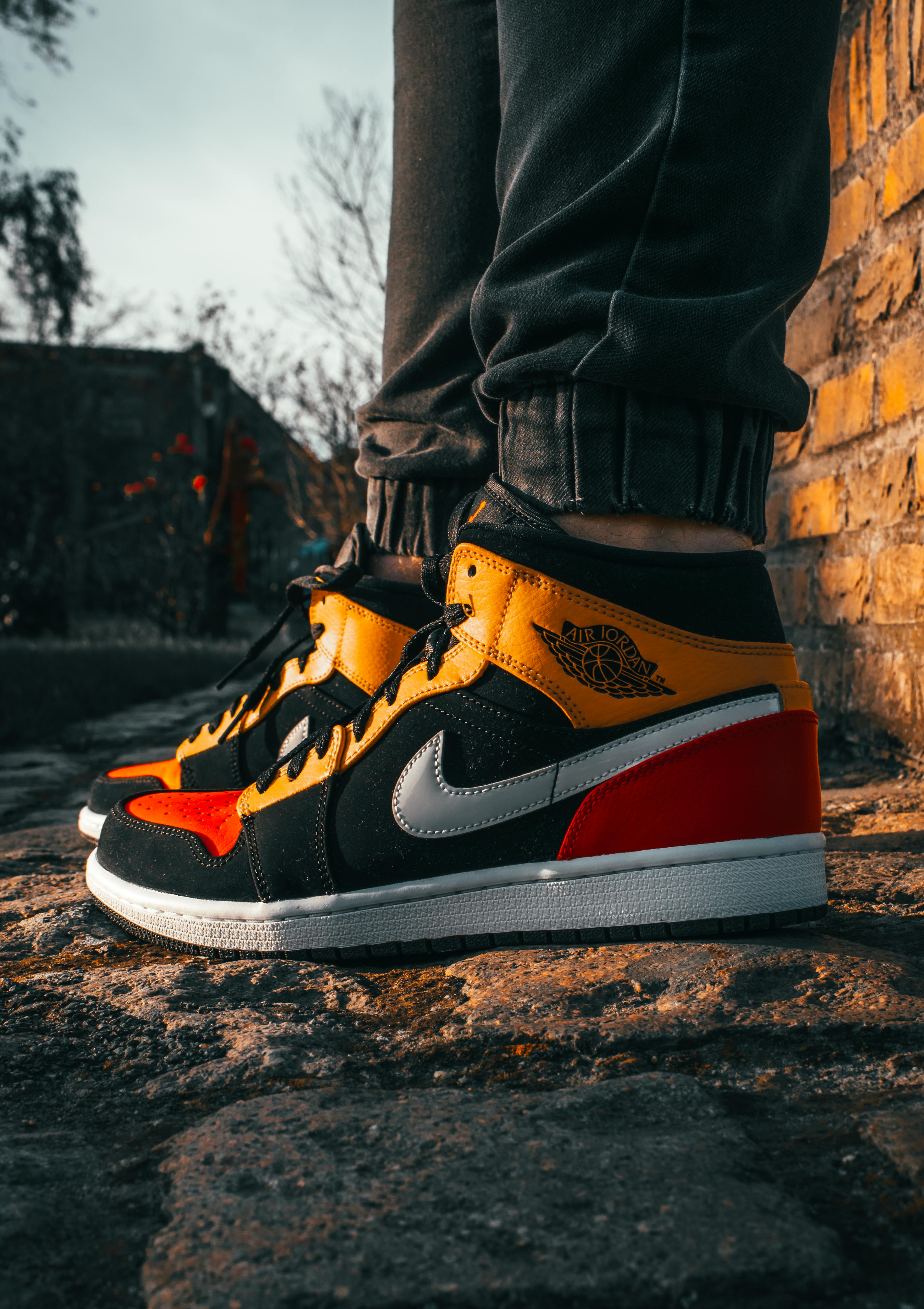
Creating a Jordan 4 Lineup in 2026
For buyers entering the Jordan 4 arena in 2026, a calculated approach can yield both personal satisfaction and solid financial gains without necessitating an large starting budget. Opening with non-limited pairs at retail builds foundational expertise of the silhouette’s fabrics, feel, and manufacturing quality before committing to premium restricted releases. Tracking Nike’s SNKRS app, watching reputable rumor sources on social platforms, and signing up for local sneaker circles can provide early details on upcoming drops. The moderate range between $250 and $500 delivers excellent value — releases like “Military Blue” provide notable street cred without sky-high costs. Exercising patience is potentially the most powerful tool, as prices on specific colorways drop 10% to 15% after early hype before evening out. Collecting across multiple eras produces a balanced rotation that recounts the full story of the Air Jordan 4.
Parting Reflections on the Air Jordan 4 Retro Legacy
Enduring as a collector’s dream, the Air Jordan 4 Retro lives at the ideal crossroads of design innovation, cultural significance, and production scarcity. Tinker Hatfield built a shoe in 1989 that went beyond its era, and Nike has skillfully handled its narrative through calculated retro launches and headline joint projects. Whether you are pulled toward the AJ4 for its investment value, its rich history in basketball and hip-hop culture, or simply because it looks incredible on foot, there is no overlooking the model’s unparalleled standing in footwear history. The demand shows no signs of easing as fresh audiences come across the silhouette. In a market flooded with new models every week, the Air Jordan 4 Retro always cuts through the competition. If you have never put a pair to your rotation, 2026 is as powerful a time as any to make your move.